Kicking off a new month always brings the same instinct:
Reset. Reorganize. Refocus.
Revenue teams revisit priorities, leaders re-forecast pipeline, and ops looks for ways to run tighter, cleaner, and more predictably. It’s a natural moment to build momentum. And yet, there’s one critical system that never quite keeps up: the CRM. Not because it isn’t important, but because it’s manual.
A System Everyone Relies On - and No One Wants to Maintain
Logging call notes. Updating deal stages. Filling in custom fields. Syncing next steps. Making sure activities are tied to the right accounts.
- It’s repetitive.
- It’s tedious.
- It’s easy to postpone.
Everyone agrees the CRM should be accurate, but very few people have time to keep it that way consistently. So updates get batched, details get forgotten, fields stay half-filled, and forecasts drift from reality. And quietly, the most important operational system in revenue becomes slightly less trustworthy every week.
The Real Wish Across Revenue Teams
If you ask most sales or operations leaders what they want, it’s not “more dashboards.” It’s this: What if the CRM could just update itself? What if it reflected reality automatically - without asking reps to slow down and document every interaction? That’s exactly what Structify does.
A CRM That Updates in the Background
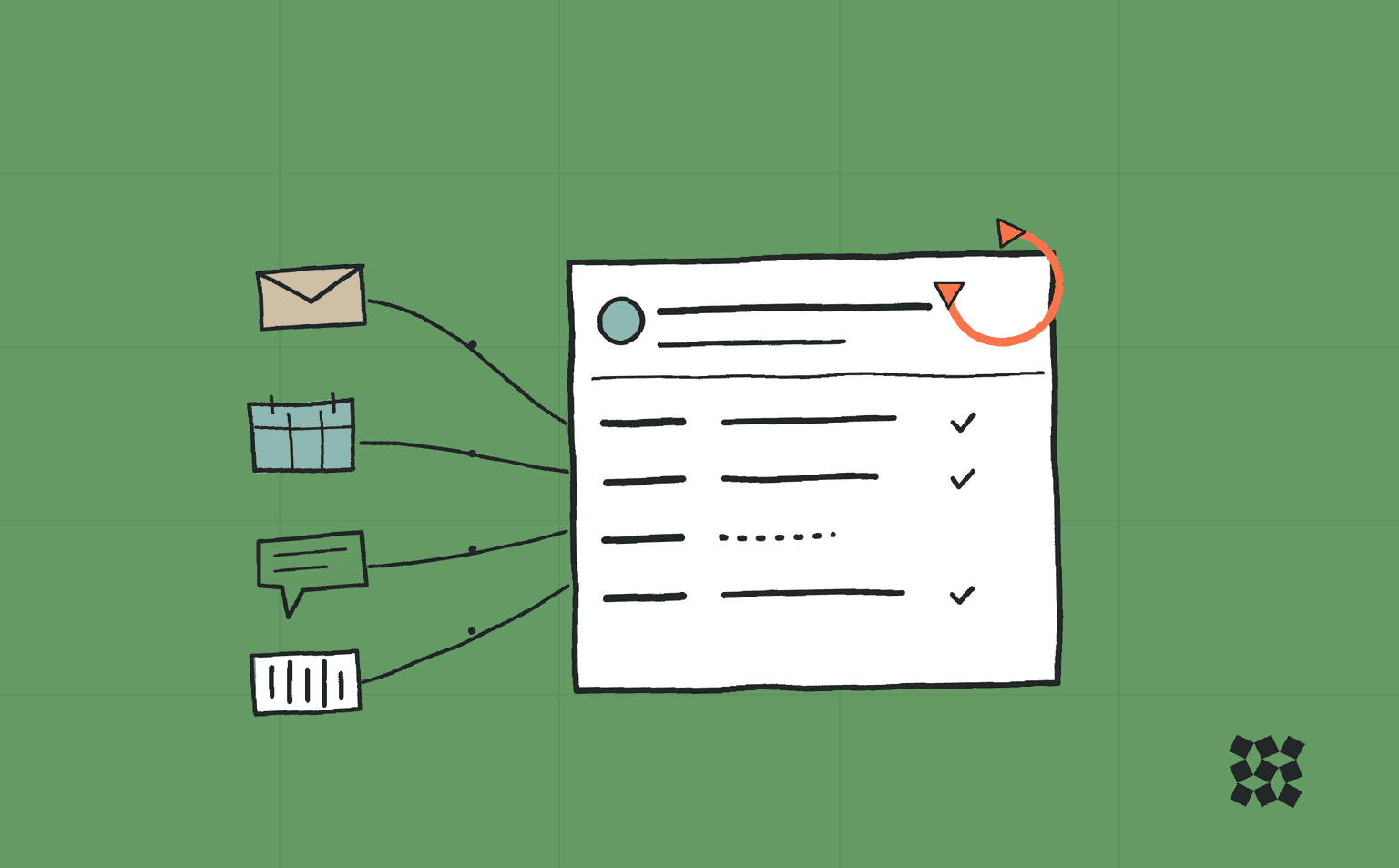
Structify connects to the tools revenue teams already live in:
- Inbox
- Calendar
- Slack
- Meeting notes and recordings
- HubSpot
Instead of asking teams to manually log activity, Structify captures customer interactions as they happen - emails, meetings, conversations, context - and keeps CRM records current automatically, in the background. No extra tabs, no copy-pasting notes, no “I’ll update it later.” Just a CRM that reflects what’s actually happening with customers, without interrupting the work.
Eliminating a Hidden Operational Bottleneck
This isn’t a niche inconvenience. Manual CRM upkeep is one of the biggest operational bottlenecks in revenue. When systems depend on humans to consistently input structured data, quality inevitably slips. And when data quality slips:
- Forecasts weaken.
- Reporting becomes reactive.
- Leadership loses visibility.
- Ops spends time cleaning instead of optimizing.
A CRM that updates itself removes that friction entirely, it aligns documentation with execution - automatically.
Do the Work. Let the System Handle the Rest.
Revenue teams shouldn’t have to choose between doing the work and documenting the work. The system should support the team - not slow it down. As a new month kicks off and priorities reset, it’s worth asking: Is your CRM helping you move faster? Or is it quietly adding drag?
If CRM upkeep has been sitting at the bottom of your to-do list too, we’d love to show you what it looks like to put it on autopilot. Because the best systems don’t demand more discipline. They just work.