The AI foundation for manufacturers


Who it is for.
Fast-growing industrial manufacturers. The shop decides which of these reads like your floor.
 Aerospace and defense
- ITAR and CMMC obligations
- AS9100 paperwork
- Prints that carry more requirements than the purchase order does
 Precision machining
- Quote volume that outruns the estimators
- Control plans rebuilt by hand for every new part
 Medical devices
- FDA-governed documentation
- A record that has to match what actually happened on the floor
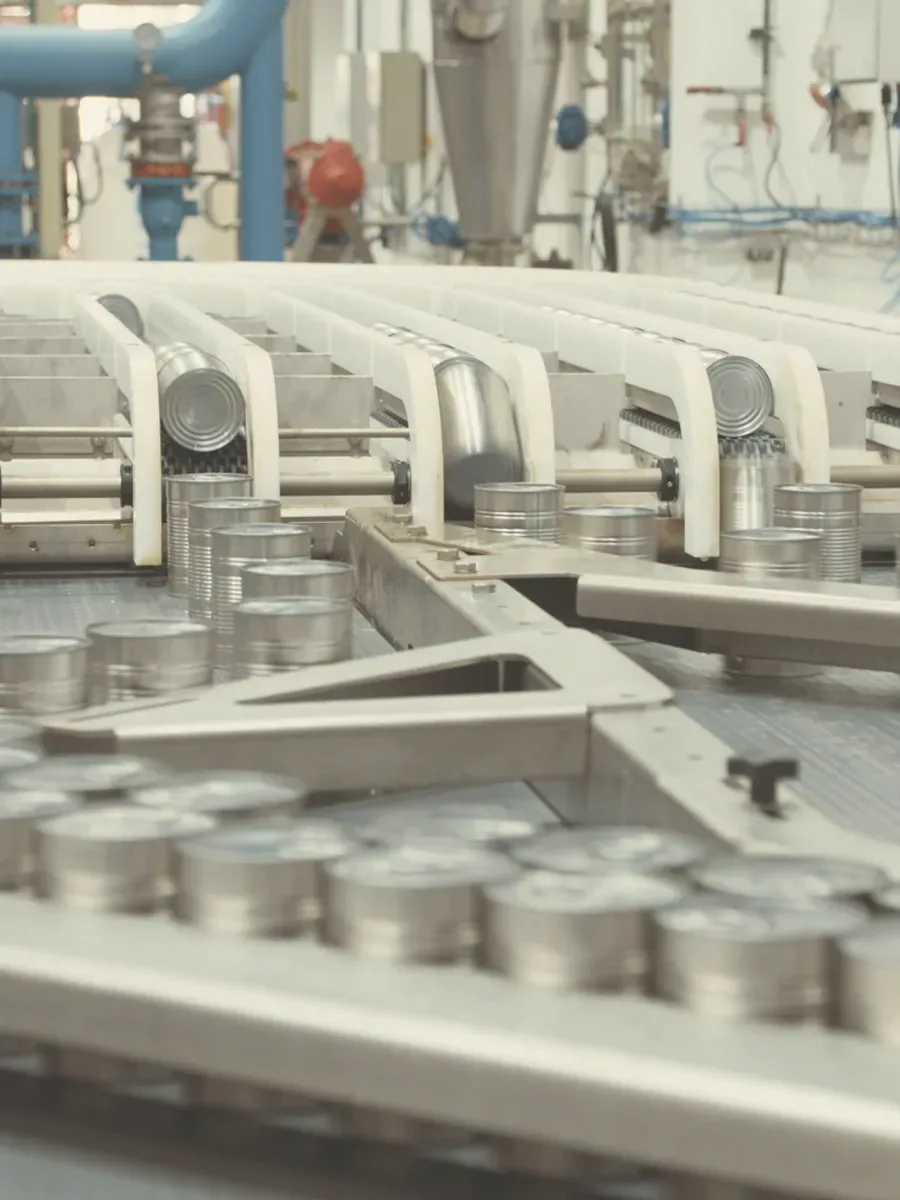 Food and beverage
- Food safety records
- Lot traceability
- Demand that moves faster than the reporting cycle
 Automotive
- Tier supplier schedules
- Change notices that arrive in a dozen formats
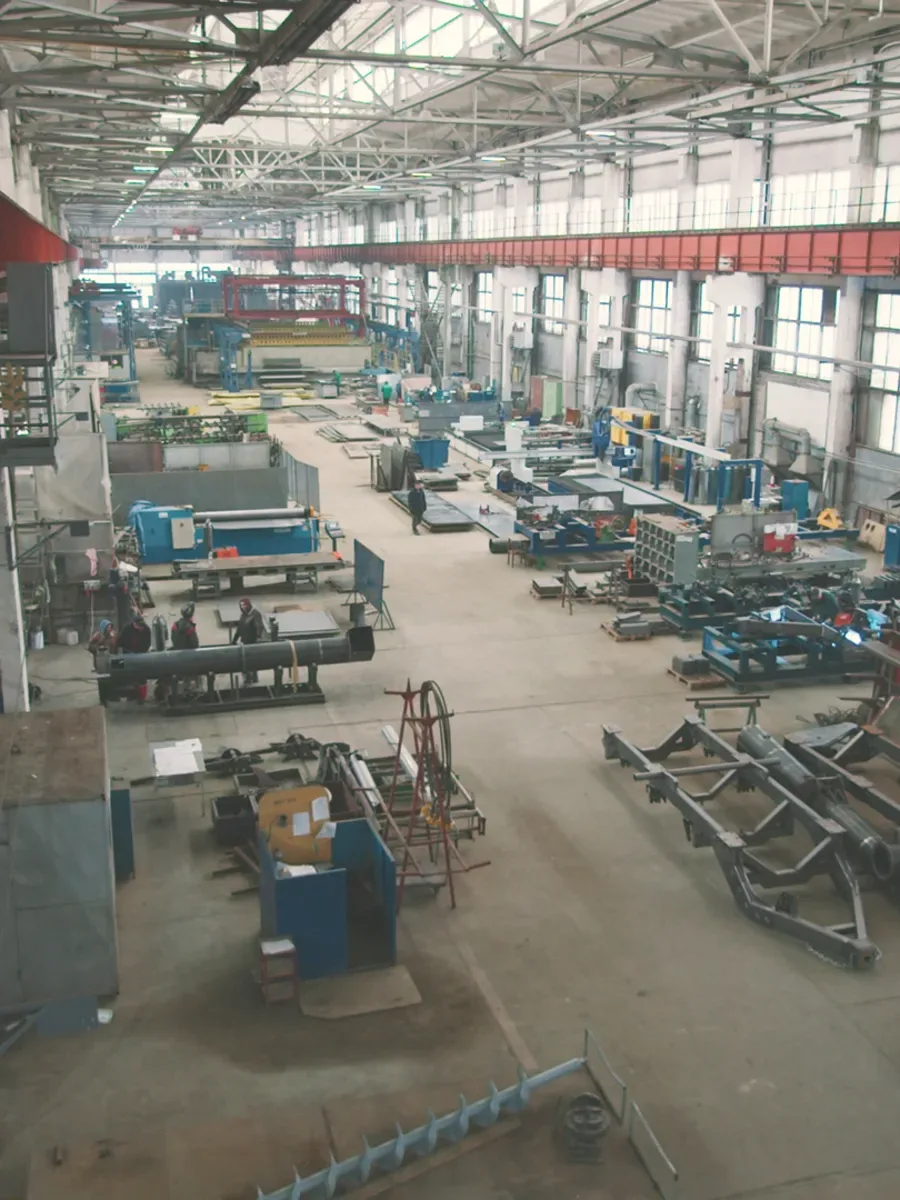 Industrial
- Mixed-mode quoting and order entry
- AP that still runs on email and attachments
A forward-deployed engineer embeds on-site and connects the systems that already run the plant: the ERP, the MES, the quality system, the engineering prints, and the spreadsheets that hold everything the systems do not. The result is a data map and a context handbook, a structured model of how your business actually runs, in an auto warehouse you own.
Guides for manufacturers
Researching AI before you talk to anyone? These cover where it pays off, who to buy it from, and how it runs in a machine shop.
- AI in manufacturing: Where AI pays off by department, what generative AI is good for on a floor, and how to start.
- The best AI startups for manufacturing in 2026: Ten AI startups for manufacturing ranked by the problem each one solves, with a worked example.
- AI consulting and implementation for manufacturing: What consultants, integrators and software vendors each leave you holding, and what to ask before hiring one.
- AI for machine shops: Quoting, control plans, setup knowledge and scheduling in a CNC or job shop, on the ERP the shop already runs.
Comparing vendors
- The best Palantir alternatives: Nine Palantir competitors ranked by which Palantir product they replace, who they fit, and how they deploy.
- Tulip alternatives: Ten options compared, from MES suites like Siemens Opcenter and Plex to connected worker apps.
- Paperless Parts alternatives: Nine quoting and estimating options for job shops, from shop ERPs to AI quoting tools.
- Manufacturing quoting software compared: Eight AI quoting tools for job shops, CNC shops and contract manufacturers, on how each one prices a part.
- RFQ automation: The steps from inbound request to sales order, what software does at each one, and what a person still decides.
- APQP and PPAP software: What APQP and PPAP software has to manage, five questions to ask, and six tools compared.
- Control plan and PFMEA software: How the process flow, PFMEA and control plan link, five questions to ask, and eight tools compared.
- AI ERP: The three ways manufacturers add AI to an ERP, and what to check before buying.
Still retyping POs, supplier invoices, prints, or production sheets into the ERP? See how AI data extraction reads those documents, checks every field against the ERP, and posts them for review.
What the foundation connects.
Five classes of system hold the record of how a plant actually runs. The connector directory lists the named systems under each one, and the ERP chooser compares the major ERPs side by side.
- ERPOrders, jobs, routings, inventory, and cost, read in the terms your business uses rather than the vendor's table names.EpicorSAP Business OneNetSuiteSage IntacctQuickBooks
- MES and the shop floorThroughput, yield, scrap, and downtime tied back to the jobs and parts they belong to.MESCAMCMM
- Quality systemsInspection results, nonconformances, and corrective actions, kept auditable.QMS
- Engineering printsDimensions, tolerances, notes, and callouts pulled off the drawing as structured data.SolidWorks PDMPDMPLM
- Spreadsheets and filesThe pricing workbook, the capacity plan, and the tracker that runs a department, treated as a real source.Google SheetsAirtableSharePointGoogle Drive



The regulated context
Regulated businesses cannot put AI on top of spreadsheets nobody trusts and hope the audit goes well. ITAR and CMMC govern who may touch defense data and where it may live. AS9100 and the FDA govern what you have to be able to prove after the fact. Food safety rules govern traceability down to the lot. That is why we build the foundation first: a model of how the business runs, with governance, audit trails, and code you own, so every AI application on top of it can be explained to an auditor.
For Structify's own certifications and current compliance posture, see the Trust Center.
What gets built on it.
Production-grade AI business applications, shipped in the 60 days after the 30-day blueprint, with governance, audit trails, and code you own. The full catalog lets you search them by the systems you run.
- 01Engineering30 applications
- 02Quality54 applications
- 03Production and maintenance44 applications
- 04Supply chain and procurement53 applications
- 05Sales and service54 applications
- 06Finance44 applications
- 07Compliance and safety45 applications
- 08Custom work30-day blueprint
Not in the catalog? We build it for you.
We build the application your process actually needs, form-fit, on the same foundation. The first 30 days produce a blueprint before anyone commits to a build.
Get your AI roadmap- DAYS 0 TO 14Laying the foundation
- DAYS 14 TO 30Delivering the blueprint
- DAYS 30 TO 90Raising the structure
- ONGOINGEvery one after is cheaper
AI use cases your business could have tomorrow
Questions manufacturers ask
Ask us directlyGet a blueprint foryour AI transformation.
Book a demo